Brand9 min read
Skin prep for shaadi season: an evidence-led timeline
Real skin results take months, not days. So the worst thing you can do before a wedding is start something new the week of. Here is the timeline that works — and the last-minute shortcuts that cause lasting damage.
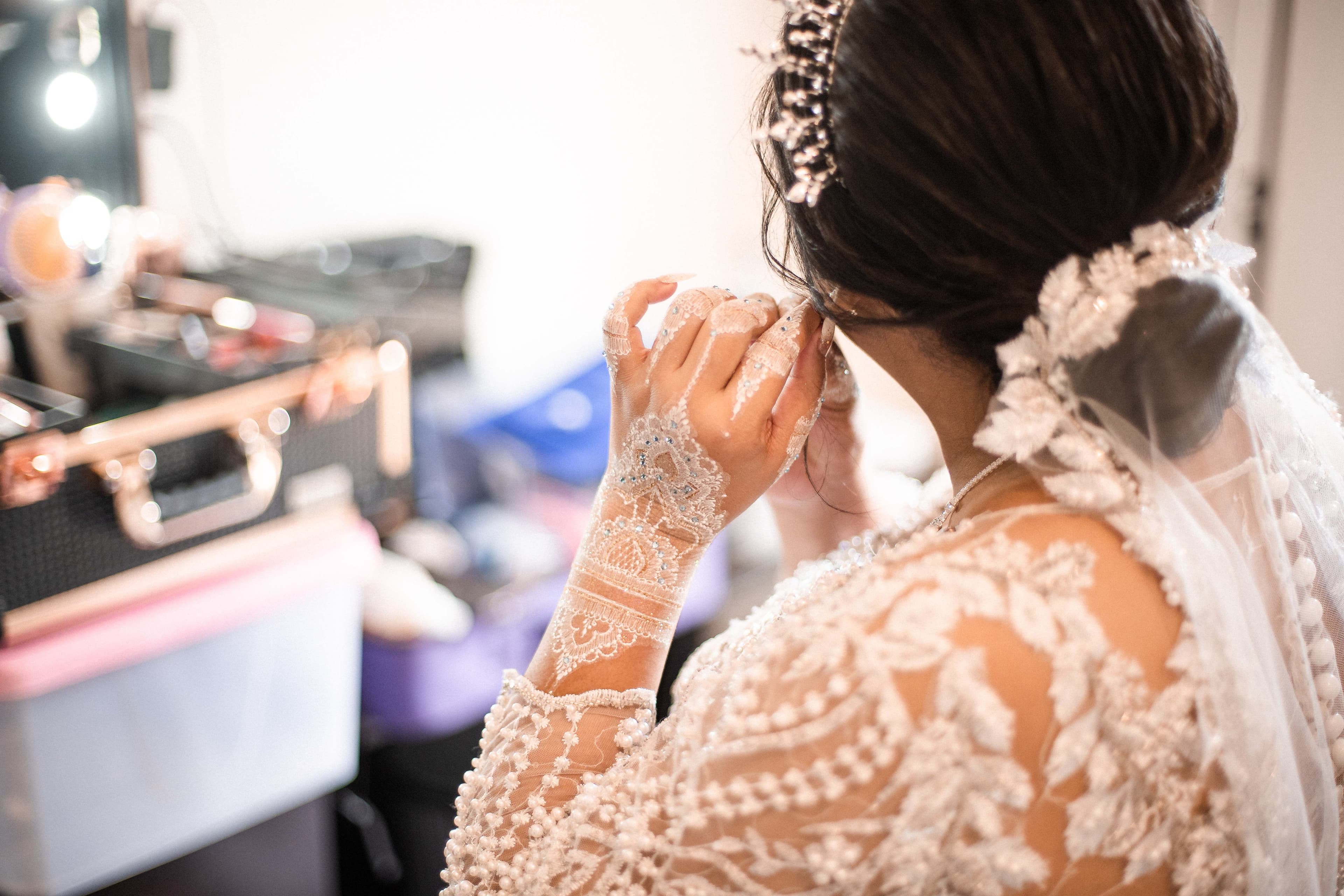
Pakistani wedding season peaks in the cool months — November to February, now creeping into October, the stretch some people only half-jokingly call "Decemberistan." If you have an event on the horizon, the single most important thing to understand is this: skin works on a timeline of weeks and months, not days. Which means the prep that helps starts early, and the things people reach for at the last minute are the ones that cause damage.
Why early is the only thing that works
The reasons are biological, not motivational:
- Skin renews on a cycle of roughly a month in young adults — and that cycle lengthens with age. It is an average, not a fixed law, but it means surface changes take weeks to show.
- Pigmentation correctors need 8–12 weeks. Niacinamide reduces dark spots over two to three months of twice-daily use, not overnight (Hakozaki et al., British Journal of Dermatology, 2002).
- Collagen changes take months. Tretinoin's collagen-building effect becomes significant only after around four months, with best results near six (Griffiths et al., New England Journal of Medicine, 1993).
Add it up and the message is simple: if your event is this winter, the work starts now, in summer. Not in the final fortnight.
The timeline
12 weeks out — build the base. Get a consistent, gentle routine running: a low-pH cleanser, a treatment step, moisturizer, and daily SPF. This is the window to introduce actives — niacinamide for tone, a gentle exfoliant for texture — because they need these weeks to do anything, and because if something is going to irritate your skin, you want that to happen now, not in December. The minimum-viable routine is the foundation.
4 weeks out — stop experimenting. Whatever is working, keep doing. Do not introduce new products now. The American Academy of Dermatology's own advice is to patch-test any new product for 7–10 days before using it widely — and a reaction four weeks before a wedding is exactly what you're trying to avoid.
1 week out — protect, don't transform. No aggressive chemical peels, no first-time facials, no first-time retinoid. This is non-negotiable for melanin-rich skin: peels and procedures carry a real risk of post-inflammatory hyperpigmentation in skin of colour — you can walk in for "glow" and walk out with a dark patch that takes months to fade. The week before an event is for hydration, lip care, sleep and gentle, well-tested products only.
The day before — boring on purpose. Hydrate. Sleep. Nothing new touches your face. "Glow" is not a product you apply that morning; it's hydration, an intact barrier, and rest — sleep deprivation has been shown in controlled studies to make skin look paler, duller and more tired. The most photogenic thing you can do the night before a wedding is go to bed.
The shortcuts that cause lasting damage
This is the part that matters most, because the pressure around weddings drives people toward exactly the wrong things — and the Pakistani market is full of them.
- Steroid and "fairness" creams. A Karachi dermatology study documents how common topical-steroid and fairness-cream misuse is, and the damage it does: steroid acne, skin thinning, visible broken vessels, perioral dermatitis, and rebound pigmentation when you stop. The "glow" lasts days; the damage lasts months to years.
- Mercury-containing lightening creams. Toxic to the kidneys and nervous system; being phased out globally under the Minamata Convention (WHO).
- Prolonged or high-strength hydroquinone. Can cause exogenous ochronosis — a permanent, paradoxical blue-black darkening, especially in deeper skin.
- IV "glow"/glutathione drips. Not approved as skin-lightening treatments; regulators have flagged serious harms, including severe drug reactions and liver and kidney injury.
None of these is worth a wedding. We don't sell whitening products and we explain why in full — and the same label-reading red flags apply to everything a relative or a salon presses on you in the run-up.
What actually gives "glow"
Stripped of the mythology, the glow people want is the sum of a few unglamorous things, all of which take time: a hydrated, intact barrier; consistent exfoliation done weeks ago; pigmentation kept down by daily sun protection; and sleep. Start them early enough and your skin looks its best on the day because it genuinely is — not because something risky was rushed in at the end.
The short version
Skin changes take weeks to months, so real wedding prep starts 12 weeks out, not the week of. Build and test your routine early; stop introducing anything new a month before; protect and hydrate in the final week; and refuse every last-minute steroid cream, fairness cream, mercury product and glow drip — they buy days of effect and cost months of damage. The glow is hydration, barrier, SPF and sleep. There is no shortcut, and the shortcuts on offer are the dangerous part.