Brand10 min read
Reading a skincare label in Pakistan: 5 ingredients to walk away from
Local pharmacy shelves contain ingredients that are restricted or banned in most international markets. Here's how to spot them in 30 seconds.
The Pakistani cosmetics market is less regulated than the EU, US, or UK markets. Ingredients restricted overseas are often sold here freely, sometimes at concentrations that would be illegal elsewhere. The packaging usually doesn't disclose this clearly.
This is how to read a label and walk away from the worst offenders.
1. Hydroquinone above 2%
Hydroquinone is a strong skin-lightening compound that works by suppressing melanin production. The EU bans it in cosmetics entirely. The US restricts it to prescription above 4% and OTC below 2%. Pakistan does not enforce a concentration cap.
What to look for on the label: - "Hydroquinone" — written explicitly - "Hydrochinone" — alternate spelling, same compound - 1,4-Dihydroxybenzene — chemical name - Anything labelled 4%, 6%, 8% with "skin lightening" or "fairness" claims
Why to walk away: - Long-term use causes ochronosis — a permanent blue-grey discolouration that's much harder to treat than the original pigmentation it was meant to fade - Above 4% can cause exogenous ochronosis within 6–12 months in melanin-rich skin - The "results in 7 days" claim almost always means the product also contains undisclosed steroids or mercury
The safe alternative: niacinamide at 2–5%, tranexamic acid, azelaic acid. All evidence-backed for hyperpigmentation, none cause ochronosis or skin damage.
2. Mercury salts (any form)
Mercury is illegal as a cosmetic ingredient in every developed market. It's still found in skin-lightening creams sold in Pakistan, particularly imports from certain Southeast Asian countries that bypass formal cosmetic regulation.
What to look for: - "Mercurous chloride", "calomel", "mercuric chloride" - "Hg" anywhere in the ingredient list - Sometimes labelled euphemistically as "skin-purifying complex" with no INCI list provided
Why to walk away: - Causes kidney damage with chronic absorption - Causes skin atrophy (the skin literally thins) - Causes neurological symptoms (tremor, irritability, memory issues) at higher exposures - Bioaccumulates — your body doesn't clear it
A bottle without a full INCI list is a bottle to put back on the shelf. International law requires every cosmetic to disclose every ingredient. If the label only shows marketing copy, assume something's hidden.
3. Steroids — disguised as "renewal" or "purifying"
Topical steroids (clobetasol, mometasone, betamethasone) are legitimate prescription medicines for specific conditions. They are also illegally added to cosmetic creams to produce immediate visible "improvement" — the steroid suppresses inflammation so skin looks brighter and smoother within days.
What you don't see on the label is the price you pay over months: skin atrophy, telangiectasia (visible blood vessels), steroid acne, rebound when you stop, and rosacea-style flushing that may persist for years.
What to look for: - Anything that promises results in 7 days - "Skin renewal cream", "miracle whitening", "instant fairness" branding - No verifiable manufacturer - Sold loose at pharmacies without proper packaging - Suspiciously cheap (under PKR 500 for a "premium" cream)
Steroid-laced creams are the single most common cause of "perioral dermatitis" — the persistent redness around the mouth and chin that affects many Pakistani women in their 30s. By the time it's visible, the damage often takes 6–12 months of careful repair to undo.
4. Synthetic fragrance / "parfum" without disclosure
Fragrance is the single most common cause of allergic contact dermatitis in cosmetics. EU regulations require disclosure of 26 specific fragrance allergens above 0.001% in leave-on products. Pakistani regulations do not.
What to look for: - "Fragrance", "parfum", or "aroma" listed without naming the source - Heavily perfumed creams where the smell is part of the marketing - Anything aimed at "freshness" or "spa-like experience" without ingredient transparency
What's safer: - Fragrance-free formulations (declared explicitly, not just "unscented") - Products that name the fragrance source: "peach extract", "rose absolute", "chamomile". You can avoid specific allergens this way.
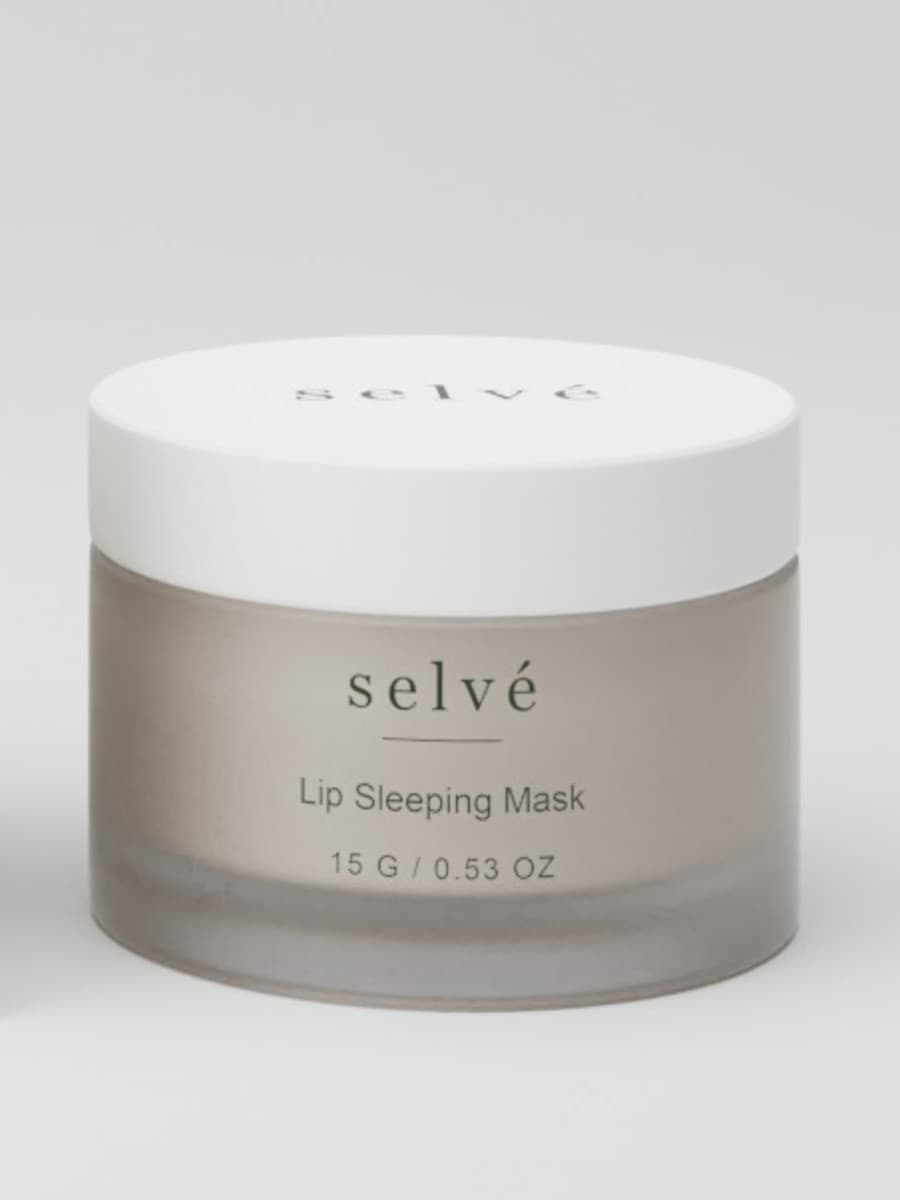
We use peach extract in our lip sleeping mask for fragrance — named so you can opt out if peach is your allergen.
5. SLS in face products (especially cleansers)
Sodium lauryl sulfate is the workhorse surfactant in cheap cleansers worldwide. It's not unsafe, but it's badly suited for face cleansers — particularly in Pakistani climate where barrier function is already stressed by heat + UV.
SLS strips your skin's lipid layer, which then takes 8–12 hours to rebuild. Twice-daily use creates a chronic barrier compromise that shows up as the "always tight, always oily" combination skin most Pakistani adults experience.
What to look for: - "Sodium lauryl sulfate" early in the ingredient list (top 5 = primary ingredient) - "Sodium lauryl ether sulfate" (SLES) — milder variant but still drying for daily face use - "Ammonium lauryl sulfate" — same family
What's better for face: - "Sodium cocoyl isethionate" (SCI) - "Sodium cocoyl glutamate" - "Coco-betaine" / "cocamidopropyl betaine" - "Decyl glucoside"
These are all amino-acid- or glucose-derived, gentler, and clean as effectively without the barrier disruption. We use SCI + sodium cocoyl glutamate in our cleanser.
How to apply this in 30 seconds
When you pick up a new product:
- Find the ingredient list (INCI). If there isn't one in English, walk away.
- Check positions 1–8. The first 8 ingredients usually make up >85% of the formula.
- Look for the five red flags above.
- Check fragrance position. If "parfum" is in the top 5, expect irritation potential.
Anything that promises results "in 7 days" or claims to fade pigmentation in under a month — read the back twice.
The shortest version
Hydroquinone above 2%, any form of mercury, undisclosed steroids, undisclosed fragrance, and SLS-based face cleansers. Five things to avoid. Most local skincare you don't recognise will fail at least one of them.
Read the back, not the front.