Routine7 min read
Overnight sleeping masks: what overnight skin repair actually does
Your skin loses more water at night than in the morning. A sleeping mask is the layer that holds it in — but only some skin types need one. Here is the science, and who should skip it.
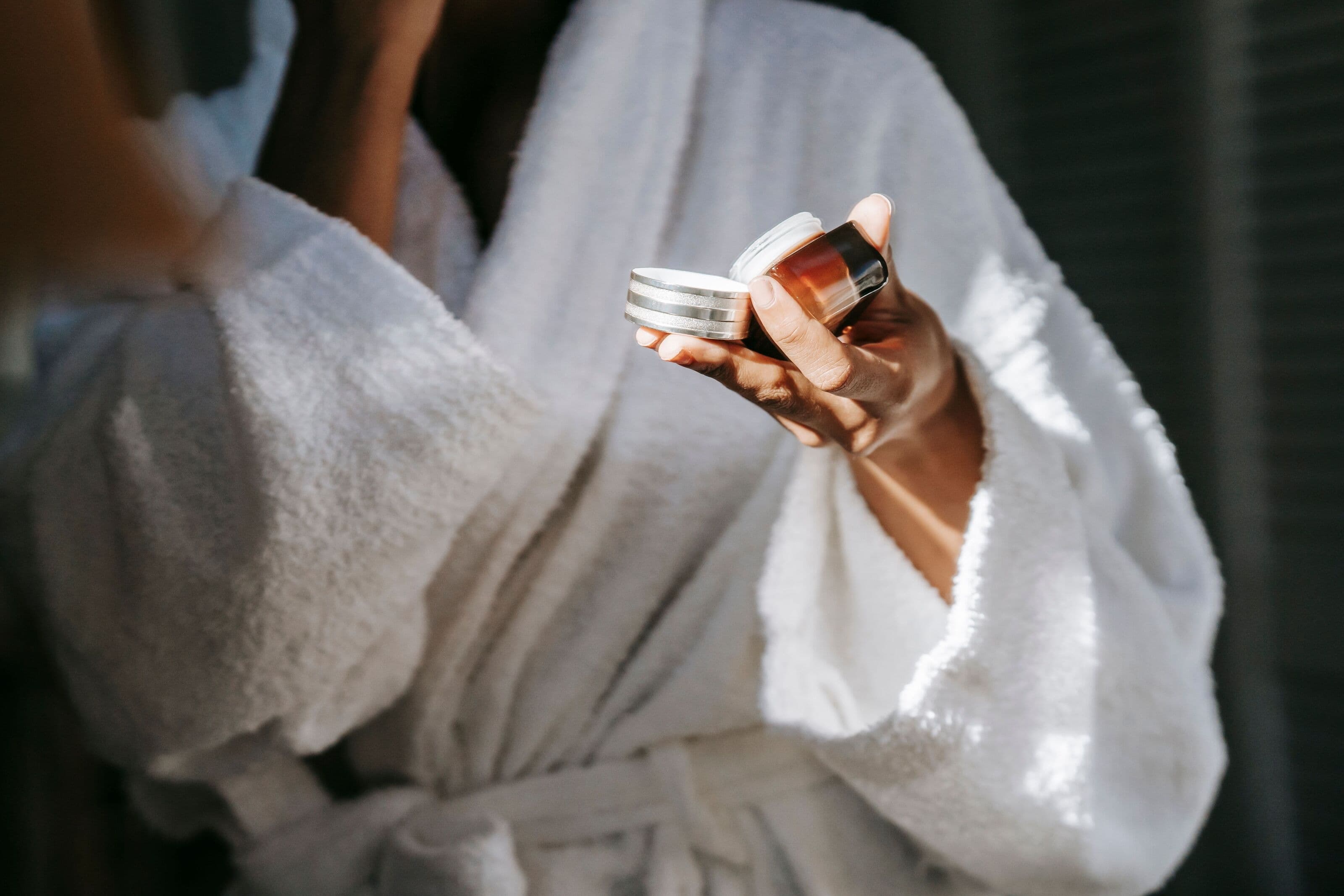
A "sleeping mask" sounds like a separate category of product. It isn't. There is no regulatory or dermatological line between a sleeping mask and a night cream — both are leave-on moisturizers. What changes is the balance of ingredients: a sleeping mask leans heavier on the parts that hold water against the skin overnight.
Whether you need one comes down to a single question: does your skin lose too much water while you sleep? For some people in Pakistani conditions, it does. For others — oily, acne-prone, breaking out in humid months — a heavy overnight layer is the wrong move. This is how to tell which you are.
Skin really does behave differently at night
This part is not marketing. Transepidermal water loss — TEWL, the rate at which water escapes through the skin — follows a genuine circadian rhythm. The foundational human study (Yosipovitch et al., Journal of Investigative Dermatology, 1998) measured TEWL every two hours over a full day and found it is lowest in the morning and higher in the evening and at night. Your skin is, in a real sense, more permeable while you sleep.
Two more things shift overnight. Barrier-repair activity itself varies by time of day — after the barrier is experimentally disrupted, the rate at which it rebuilds depends on when it happened (Denda & Tsuchiya, British Journal of Dermatology, 2000). And cutaneous blood flow has its own daily rhythm. The popular claim that "repair peaks at exactly midnight" is an oversimplification — chronobiology supports night as a repair-favouring window, not a precise clock. But the direction is sound: night is when skin is both losing more water and doing more rebuilding. A well-formulated overnight layer works with both.
The three things a sleeping mask actually does
Every leave-on moisturizer is built from three ingredient classes. A sleeping mask uses more of the first and third:
- Humectants pull and bind water — hyaluronic acid, glycerin, panthenol. Glycerin is the best-studied; it binds water in the stratum corneum and is actively transported into the epidermis.
- Emollients soften and fill the gaps between surface cells — squalane is the cleanest example, a barrier-mimicking lipid.
- Occlusives slow evaporation so the water the humectants pulled in doesn't escape. Occlusion is the best-evidenced of the three: petrolatum reduces TEWL substantially and permeates between cells to allow normal barrier recovery rather than just sitting on top (Ghadially et al., Journal of the American Academy of Dermatology, 1992).
Ceramides support a compromised barrier too, though honestly the evidence there is moderate, not overwhelming — some controlled studies show a clear TEWL benefit and some don't. They help; they are not magic.
Where this matters in Pakistan — and it's not what you'd think
The instinct is to say "dry winter air dehydrates skin overnight." For Pakistan, that framing is wrong, and we won't print it. Lahore and Islamabad winters are not arid — average winter humidity sits around 60–66%, with foggy mornings in December and January.
The real overnight drying driver here is indoor air, in both seasons:
- Summer: air-conditioning strips humidity out of the bedroom. You sleep eight hours in dried air with skin that is already losing more water at night.
- Winter: gas and electric heating do the same.
That is the genuine case for an overnight hydrating layer in Pakistani homes — conditioned indoor air, not the climate outside. If you sleep with AC or a heater running, your skin spends the night in a low-humidity environment regardless of the weather.
Who should use one — and who should not
Worth it if: your skin feels tight after cleansing, looks dull or "crepey" in the morning, you sleep in AC or heating, or you're recovering from over-exfoliation and the barrier needs support.
Skip it if: you're very oily, acne-prone, or prone to small itchy uniform bumps on the forehead and chest in hot months. Heavy occlusives and oils are a recognised aggravator of Malassezia folliculitis — "fungal acne" — which thrives in heat, humidity and occlusion. For you, a lighter humectant gel does the job without the congestion. Our gel moisturizer already pairs hyaluronic acid with squalane and ceramides; in humid months that is often enough on its own.
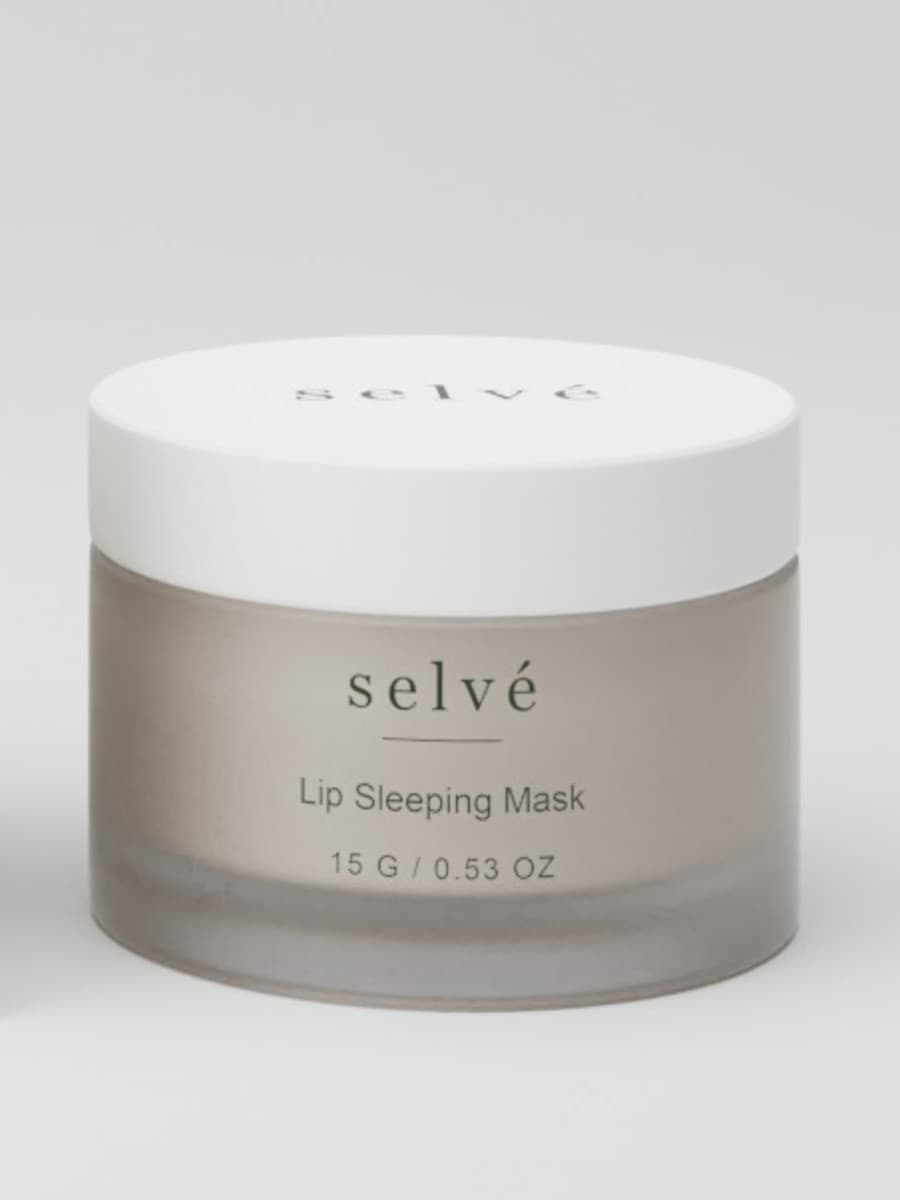
A dedicated overnight sleeping mask is on our roadmap, formulated humectant-and-emollient-forward rather than heavily occlusive — built for conditioned indoor air, not for clogging pores.
How to use it
- Apply as the last step of your evening routine, over your moisturizer, on the nights you use it. It seals everything underneath.
- You don't need it every night. Two to four nights a week is plenty for most people — more in peak AC season, fewer in humid monsoon weeks.
- Apply to slightly damp skin so the humectants have water to bind. A hyaluronic-acid layer underneath, then the mask to seal it, is the highest-yield pairing.
- If you wear makeup or SPF — which you should — the mask goes on after an evening double cleanse, never over the day's residue.
The short version
Skin loses more water and does more repair at night; a sleeping mask is the layer that holds that water in. The case for one in Pakistan is conditioned indoor air — AC and heating — not the outdoor climate. Hydration-led, lightly occlusive: yes for tight, dull, AC-dried skin. No for oily and fungal-acne-prone skin, where it backfires. A product category, like most, that some people genuinely need and others are sold for no reason.