Routine9 min read
Building a barrier-repair routine after over-exfoliating
Tight, shiny-but-flaky, stings-when-you-apply-anything skin. The fix isn't another product — it's pulling back. Here's the 14-day reset.

Over-exfoliated skin doesn't look damaged at first. It often looks "smoother" for the first week. Then it starts to feel tight, then it stings when you apply moisturizer, then small flaky patches appear at the corners of your nose, then you break out — and the whole time the cause looks like a separate problem.
It isn't. It's barrier compromise from too many actives layered for too long.
The fix is a 14-day reset. This is the protocol.
How to know your barrier is compromised
Any 3 of these mean it's time to pull back:
- Skin feels tight within 60 seconds of cleansing, even with a gentle cleanser
- Moisturizer stings on application (especially around the nose and mouth)
- Small flaky patches at the corners of nose, lips, or forehead
- Tone has gone "flat" — looks dull but feels oily
- New breakouts on cheeks (where you don't usually break out)
- Skin is more reactive to weather, perfume, hair products
- Sunscreen burns or stings when it didn't before
If you notice 3+, your barrier is compromised. Stop everything except the steps below.
The 14-day reset
Days 1–7: strip back to essentials
Morning: - Splash with cool water only. No cleanser. - One layer of our gel moisturizer on damp skin. - SPF 50 PA++++. Mineral SPF if you have one — it's gentler on a compromised barrier.
Evening: - Gentle cleanser only. No double cleanse this week — even if you wear sunscreen. - One layer of gel moisturizer. - If your skin still feels tight, add a second layer 5 minutes later.
What to STOP for 7 days: - All acids (PHA, salicylic acid, AHAs, BHAs) - All retinoids - All vitamin C serums - All scrubs / clay masks / face brushes - Sheet masks (most contain mild acids and fragrance) - Toners with witch hazel or alcohol
What to ADD if you have specific symptoms: - For visible flakes: a single layer of shea butter-based balm at night over the moisturizer - For stinging: switch to fragrance-free everything for 7 days - For breakouts: don't add anything. Spot-treating now will set the timeline back.
Days 8–14: gentle reintroduction
Skin should feel normal-ish by day 7 — no more tight feeling after cleansing, no stinging on moisturizer, flakes mostly gone.
If it doesn't, extend the reset another 7 days at the day 1–7 level.
If it does:
Morning: same as week 1.
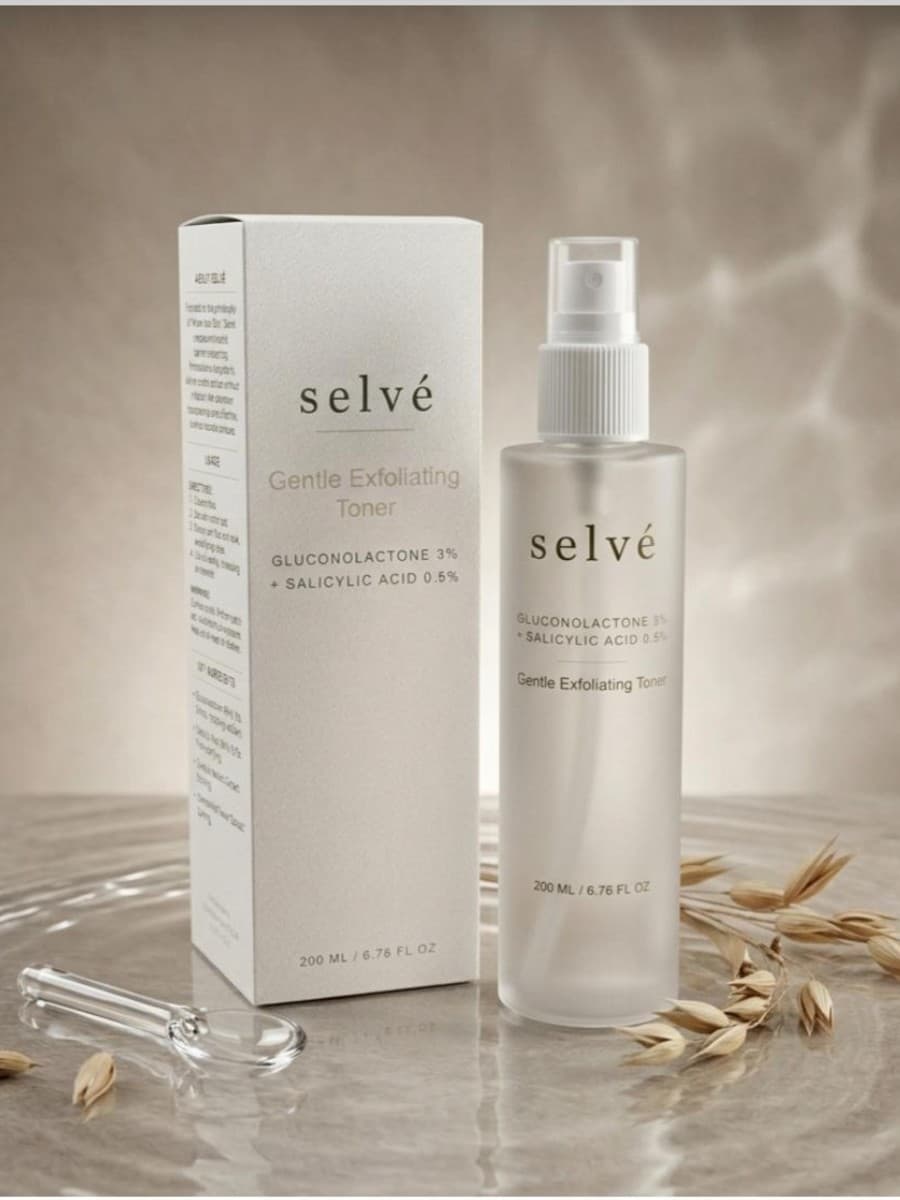
Evening (alternating): - One night: cleanse, niacinamide-rich gel moisturizer, nothing else. - Next night: add PHA toner lightly — apply with a damp cotton pad, NOT saturated. PHA only, not the salicylic acid spot. - Skip toner the next night.
Watch for any return of the symptoms. If any come back, restart day 1.
Day 15+: rebuilding the routine slowly
Once you've reintroduced one acid for 7 days without symptoms returning, you can go back to your normal routine — with a permanent change: add buffer days.
Whatever your previous routine was, take it down by ~30%. If you used PHA every night, use it 4 nights a week. If you double-cleansed daily, do it 5 nights a week. If you stacked vitamin C in morning + retinol at night, alternate them rather than running both.
Your previous routine was overshooting. The buffer days let your barrier recover between exposures.
What caused it (so you don't repeat it)
The most common cause of barrier compromise in Pakistani adults is layering acid products from different brands without adding up the cumulative dose.
Example: a glycolic toner + a salicylic serum + a "pore-refining" cleanser = three acids hitting the skin every night. Each on its own would be fine. Together, the total exfoliation is 3× what your skin can recover from in 24 hours.
Other common causes: - Aggressive scrubs + acids on the same day or alternate days - Wash-off mask with acids 2× per week + nightly leave-on acid - Retinol at too-high a starting strength (anything above 0.05% is too much for week 1) - Chemical peels at a salon + maintaining your acid routine at home that week - Sun exposure without SPF while on retinol — UV thins skin further - Switching to a sulfate cleanser while running an acid routine
The fix going forward: - Pick one acid product for daily use. Stick to that brand's dose. - Don't add a second acid from another brand. If you want stronger exfoliation, increase frequency on the existing one (gradually). - Treat scrubs and masks as weekly events, not daily. - Always run SPF on any morning where you used acids the night before.
Why ceramides matter for the rebuild
Your skin's lipid layer is roughly 50% ceramides, 25% cholesterol, 15% fatty acids, 10% other. Ceramides specifically are the molecular glue that holds the cells of your stratum corneum together. Over-exfoliating removes ceramides faster than your skin can produce them.
Adding ceramides back via skincare gives the rebuild a head start. Our gel moisturizer uses three ceramide subtypes (NP + AP + EOP) at 2% total — clinical concentration for barrier-repair work.
Symptoms that aren't barrier compromise
Sometimes what looks like over-exfoliation is actually a different problem:
- Stinging only on the temples + scalp: could be a hair product allergy, not skin barrier
- Flakes ONLY on the side of the nose: often seborrheic dermatitis (a fungal condition), needs a different treatment (zinc pyrithione or ketoconazole shampoo used as a face wash 2×/week)
- Persistent redness in patches with clear borders: possibly contact dermatitis to a specific ingredient — patch test the products you've recently added
- Stinging only when you apply a specific product: that's an irritation reaction to that product. Stop using it. Doesn't mean your barrier is generally compromised.
If 14 days of barrier repair doesn't resolve it, see a dermatologist — what looks like overuse can actually be eczema flare, rosacea, or a specific allergy that needs targeted treatment.
The shortest version
Tight + stings + flaky = stop everything for 7 days. Cleanser + moisturizer + SPF only. Reintroduce acids slowly from day 8. Going forward, run any acid routine at 30% lower frequency than you were before.