Climate8 min read
Lahore vs Karachi vs Islamabad: how city climate changes your routine
Three Pakistani cities, three different skin environments. The same products at the same dose don't work equally in all of them. Here's how to adjust.
Pakistan isn't a single climate. The skin you have in Karachi behaves differently from the skin you have in Lahore. Most international skincare advice (and most local marketing) ignores this. The result is product recommendations that work for one city's adults and quietly damage another's.
Three short routines below — what to use in each city's high-season conditions.
The three climate profiles
Karachi: coastal + humid + warm year-round
UV index: peaks at 11–12 in May–July; rarely drops below 7 even in winter. Humidity: 60–80% from June through September. 30–50% in winter. Sebum response: sustained high. Year-round oily-to-combination skin even in adults who'd be dry elsewhere. Pollution: significant from October–February (PM2.5 routinely above WHO safe levels).
Lahore: extreme seasonal swing
UV index: 10–11 in May–August. Drops to 4–5 in December. Humidity: 30–80% depending on monsoon (dry pre-monsoon March–June, then wet July–September, then dry winter). Sebum response: variable. Adults who feel oily in August feel tight in January. Pollution: severe October–February — Lahore consistently ranks in the world's top 5 most polluted cities during these months. Skin barrier impact is real.
Islamabad: cooler + drier + cleanest air
UV index: peaks at 9–10 in summer. Humidity: 30–60%, less variation. Sebum response: lower than the other two. Many adults find their skin sits in dry-to-normal range year-round. Pollution: meaningful but lower than Lahore/Karachi by 30–50%.
Routine adjustments
Karachi-specific
Cleanse: Double-cleanse every evening, even in winter. Coastal humidity means SPF + sebum mix is heavier than other cities. Use our cleansing oil followed by the gentle cleanser.
Moisturize: Stay with gel-based moisturizers year-round. The gel moisturizer is enough; richer creams will feel heavy and may cause clogged pores.
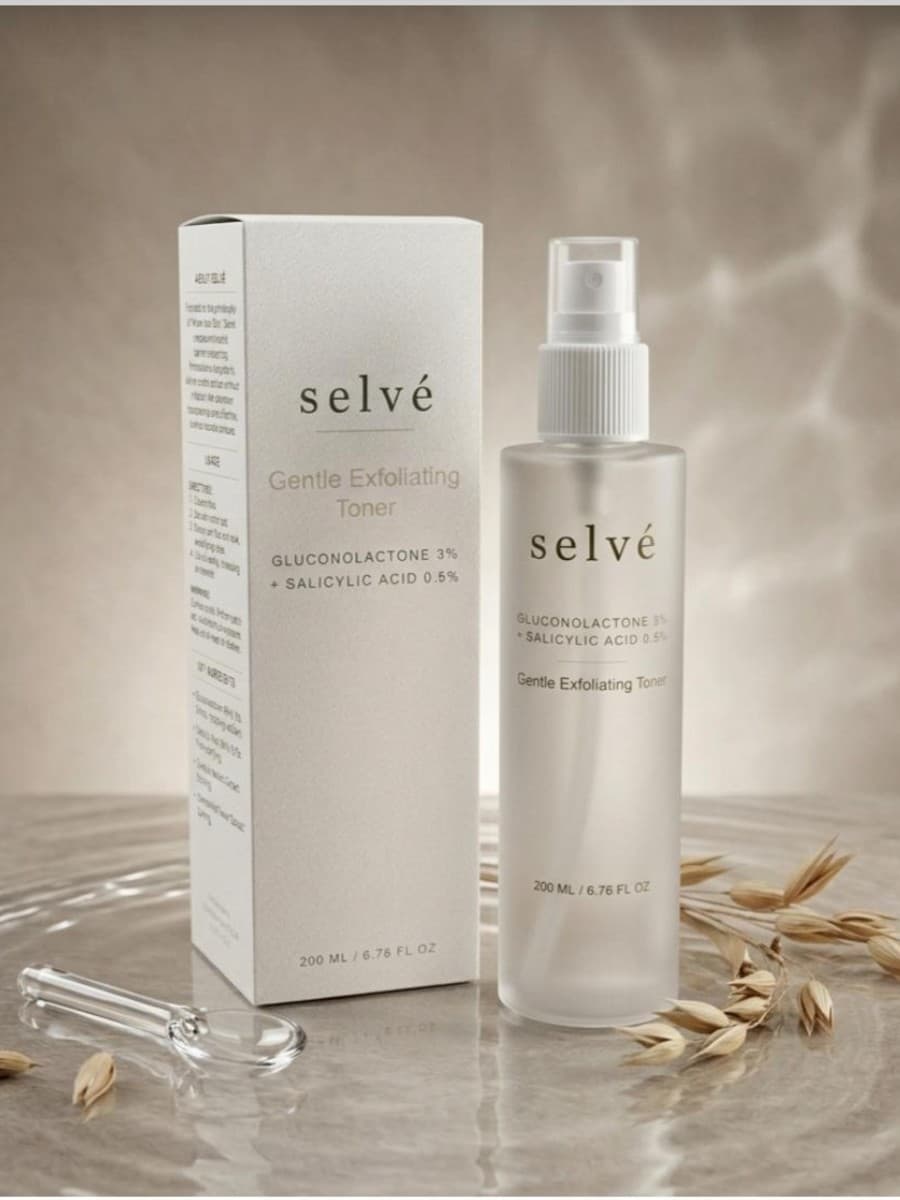
Treat: PHA + salicylic acid combination is well-suited to humid climates because it doesn't dry the skin out further. Use our PHA toner nightly.
SPF: SPF 50 PA++++ minimum. Reapply every 2 hours of outdoor exposure. Karachi UV is high enough that a single morning application isn't sufficient for outdoor work.
Specific to coastal humidity: anti-frizz hair products that contain silicones can transfer to your face and cause forehead acne in coastal humidity. Tie hair back at night.
Lahore-specific
Two routines, switched seasonally:
Summer (April–September): - Same as Karachi, plus: in monsoon humidity, switch to a lighter-still moisturizer or skip moisturizer for 2 weeks if your skin feels suffocated. - Mineral SPF works better than chemical SPF in Lahore summer. Chemical filters can sting on sweaty skin.
Winter / pollution season (October–February): - Add a barrier-supportive routine. Niacinamide + ceramides become essential, not optional. - Apply the gel moisturizer twice daily, not once. - Consider adding a heavier cream over the moisturizer at night during the coldest weeks (December–January). - Double-cleanse becomes critical to remove particulate matter from pollution. - Watch for "winter eczema" patches — small dry red areas on cheeks or forehead. Pause exfoliation and run a barrier-repair routine until they resolve.
Pollution-specific: indoor air quality matters too. An air purifier in your bedroom changes how your skin looks within 4–6 weeks during pollution months.
Islamabad-specific
Cleanse: Once daily is often enough. Skin doesn't accumulate as much as in the other two cities. If you don't wear SPF or makeup, water-only is fine in winter.
Moisturize: Many Islamabad adults find they need a richer moisturizer than the gel formula in winter. Look for one with shea butter + ceramides for the coldest months.
Treat: PHA toner alternate evenings rather than nightly — your skin doesn't need the same level of exfoliation as Karachi/Lahore where heat + sebum make turnover faster.
SPF: Same SPF 50 PA++++ rule. Lower UV than Karachi but altitude adds back some intensity.
Specific to dry climate: humectants (hyaluronic acid, glycerin) can pull water OUT of skin if applied to dry skin in low-humidity air. Apply moisturizer to damp skin (within 30 seconds of cleansing) so the humectant pulls from the water on your face, not from deeper skin layers.
When to switch routines
Don't switch the moment the calendar flips months. Watch your skin:
- If your skin feels tight after cleansing — barrier needs more support. Add a layer.
- If your skin looks flat / matte to the point of dull — sebum is too low for your usual exfoliation. Reduce frequency.
- If your face shines within 2 hours of cleansing in the morning — sebum is high. Increase exfoliation, drop the heavier cream.
- If you develop small flaky patches at the corners of your nose or mouth — barrier compromise. Pause acids for a week.
The shortest version
- Karachi: the routine in the minimum viable post, full strength, year-round.
- Lahore: same routine in summer, add barrier-support layers in winter pollution season.
- Islamabad: lighter exfoliation cadence, richer winter moisturizer, dampen skin before applying humectants.
The same five products work in all three cities. The frequency, the layering, and the supplemental products change.