Routine9 min read
Pregnancy-safe skincare in Pakistan: what to keep, what to pause
Most of your routine is fine. A few specific actives need to wait. This is the conservative, evidence-led list — confirm with your obstetrician before changing anything.
Skincare during pregnancy is mostly unchanged. A handful of actives need to pause; everything else is fine. This is the conservative position based on the FDA, the British Association of Dermatologists, and the Royal College of Obstetricians and Gynaecologists guidelines as of 2025.
Disclaimer: this is general information, not medical advice. Talk to your obstetrician before changing your routine. If you have a specific skin condition (severe acne, eczema, rosacea), consult a dermatologist who treats pregnant patients.
What to pause
Retinoids — all forms
This includes retinol, retinaldehyde, retinyl palmitate, tretinoin, adapalene, and tazarotene. Oral isotretinoin (Accutane) is the most well-documented teratogen in dermatology and is absolutely contraindicated.
Topical retinoid risk is theoretical — the systemic absorption from skincare-strength retinoids is very low — but the conservative consensus is to pause for the duration of pregnancy and breastfeeding.
We don't currently sell retinol. When we do, it'll come with this same warning printed on the carton.
Hydroquinone
Banned in pregnancy by every major dermatology body. Systemic absorption from topical use can be 25–35% — the highest of any cosmetic ingredient. Stop the moment you suspect pregnancy.
This is one of the reasons we don't sell whitening creams. Most contain hydroquinone above declared concentrations.
Salicylic acid above 2%
Low-concentration salicylic acid (≤2%) in leave-on products and ≤2% in cleansers is generally considered safe — it's structurally related to aspirin, and the systemic dose from skincare is much lower than the daily-aspirin doses given to some pregnant patients with specific conditions.
That said: chemical peels at salicylic acid concentrations of 20–30% absolutely should not be done. The systemic dose is meaningful at peel strengths.
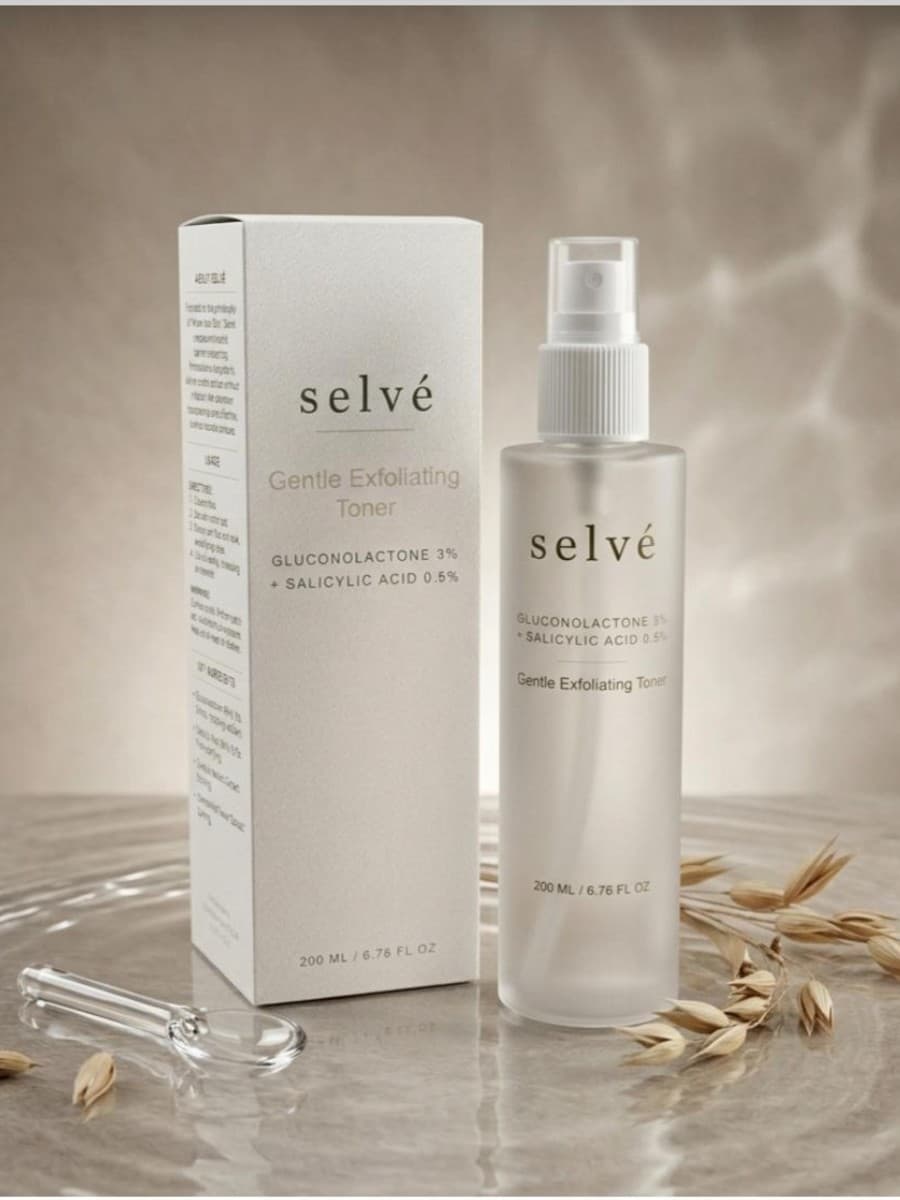
Our PHA toner uses 0.5% salicylic acid — well within the safe range. Our gentle cleanser uses 0.5% in a rinse-off product, which has even lower systemic absorption. Both are pregnancy-safe per the conservative guideline.
High-dose vitamin A from any source
If you take prenatal vitamins, check the form of vitamin A — preformed retinol (retinyl palmitate, retinyl acetate) above 5,000 IU/day is associated with birth defects. Beta-carotene (the plant precursor) does not have the same risk. This isn't a skincare issue but worth flagging for women who take additional supplements.
Essential oils — most of them
Lavender, rosemary, peppermint, eucalyptus, and many others have specific concerns in pregnancy. The data is mostly extrapolated from oral dosing studies, and topical absorption is low, but conservative guidance is to avoid concentrated essential oils in the first trimester at minimum.
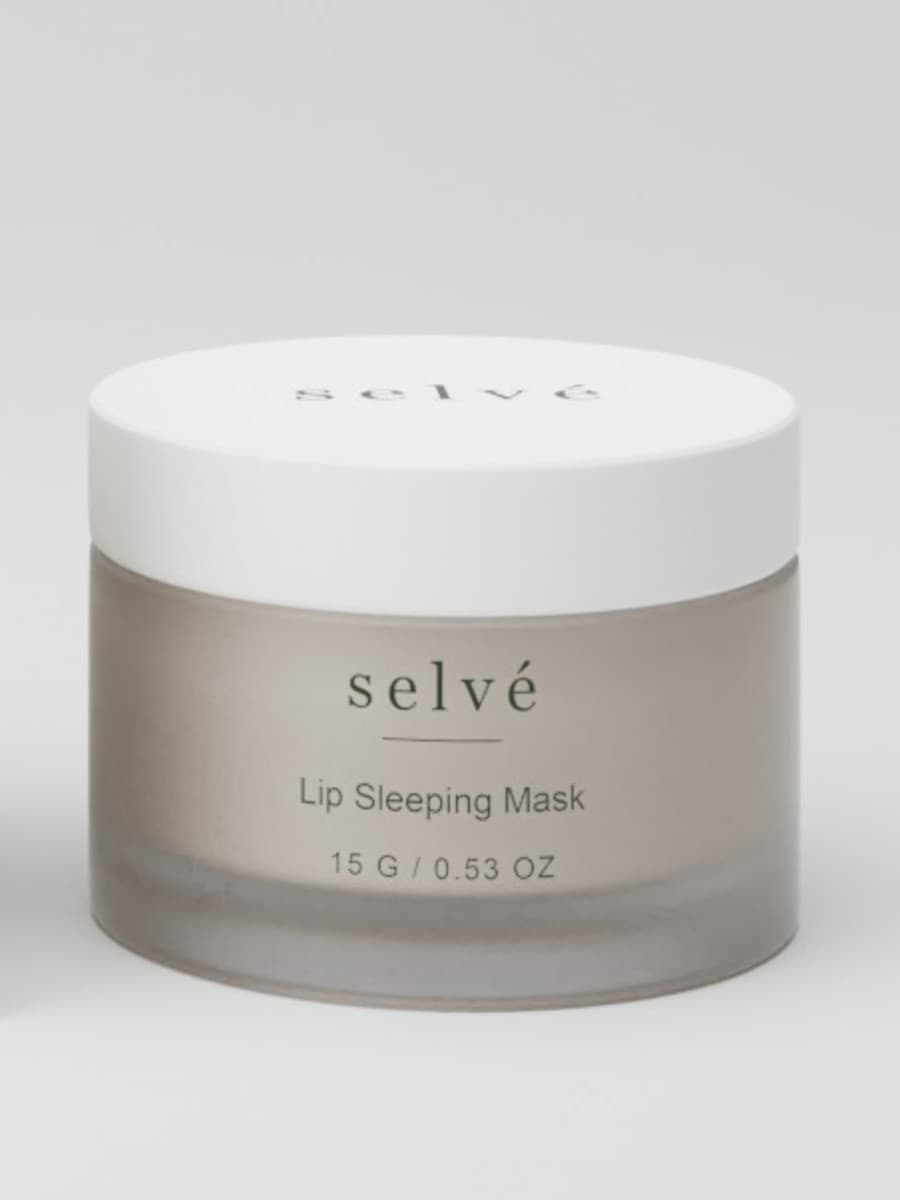
We use peach extract for fragrance in our lip sleeping mask — safe. We don't use essential oils elsewhere in the range.
What's safe to keep
- [Niacinamide](/ingredients/niacinamide) at any cosmetic concentration. Excellent track record.
- [Hyaluronic acid](/ingredients/hyaluronic-acid). Inert.
- [Panthenol](/ingredients/panthenol) (provitamin B5). Safe.
- [Ceramides](/ingredients/ceramide-np). They're the same lipids your barrier is made of.
- [Squalane](/ingredients/squalane) (the plant-derived form we use). Inert.
- [Centella asiatica](/ingredients/centella-asiatica). Long-standing safety record.
- PHA / gluconolactone. Lower systemic risk than AHAs; commonly recommended for sensitive skin in pregnancy.
- Glycolic acid at low concentration (≤10%) in rinse-off products. The high-strength peel is the concern, not the cleanser.
- Mineral SPF (zinc oxide, titanium dioxide). Safer-than-chemical-SPF profile in pregnancy. Chemical sunscreens (oxybenzone in particular) have endocrine-disruption flags; mineral is the conservative choice.
What to expect from pregnancy hormones
Your skin will probably change. Common patterns:
- Melasma (chloasma). Hormone-driven hyperpigmentation, especially across the cheeks, forehead, and upper lip. Daily SPF 50 PA++++ is the only effective management during pregnancy. It usually fades in the months after delivery; if it persists, niacinamide + tranexamic acid is a postpartum option.
- Acne flares. First-trimester hormone surges trigger breakouts in many women. Salicylic acid at low dose + barrier-supportive moisturizer is the safe approach.
- Pregnancy glow. Increased blood flow + sebum changes give some women better skin than they've had in years. Enjoy it.
- Stretching skin itch. As your belly grows, low-grade itching is normal. A non-fragranced body moisturizer with shea butter and ceramides helps. (We don't make body lotion yet.)
The selvé range, pregnancy-safe summary
| Product | Pregnancy-safe? | |---|---| | PHA Exfoliating Toner | ✓ Yes (0.5% salicylic acid is below threshold) | | Gentle Barrier Cleanser | ✓ Yes (rinse-off; 0.5% SA) | | Barrier Repair Gel Moisturizer | ✓ Yes | | Lip Sleeping Mask | ✓ Yes | | Cleansing Oil | ✓ Yes |
The five formulations launching are all pregnancy-safe.
When to talk to a doctor
- New cystic acne that wasn't there pre-pregnancy
- Rapidly spreading rash
- Severe itching, especially on hands or soles (could indicate cholestasis)
- Any skin concern that's affecting your sleep or wellbeing
A dermatologist who treats pregnant patients can prescribe pregnancy-safe medical-grade options (azelaic acid, low-dose hydrocortisone for short courses) if your skin needs more than over-the-counter products.
The most important thing: don't panic-stop everything. Pause the actives that need pausing. Keep the supportive ones. Add SPF if it isn't already daily. That's the protocol.