Climate7 min read
Skincare for Pakistani summer: a guide to humidity, sun, and sweat
A breakdown of why Pakistani summer is uniquely hostile to skin, and the four-step routine that actually holds up between April and September.
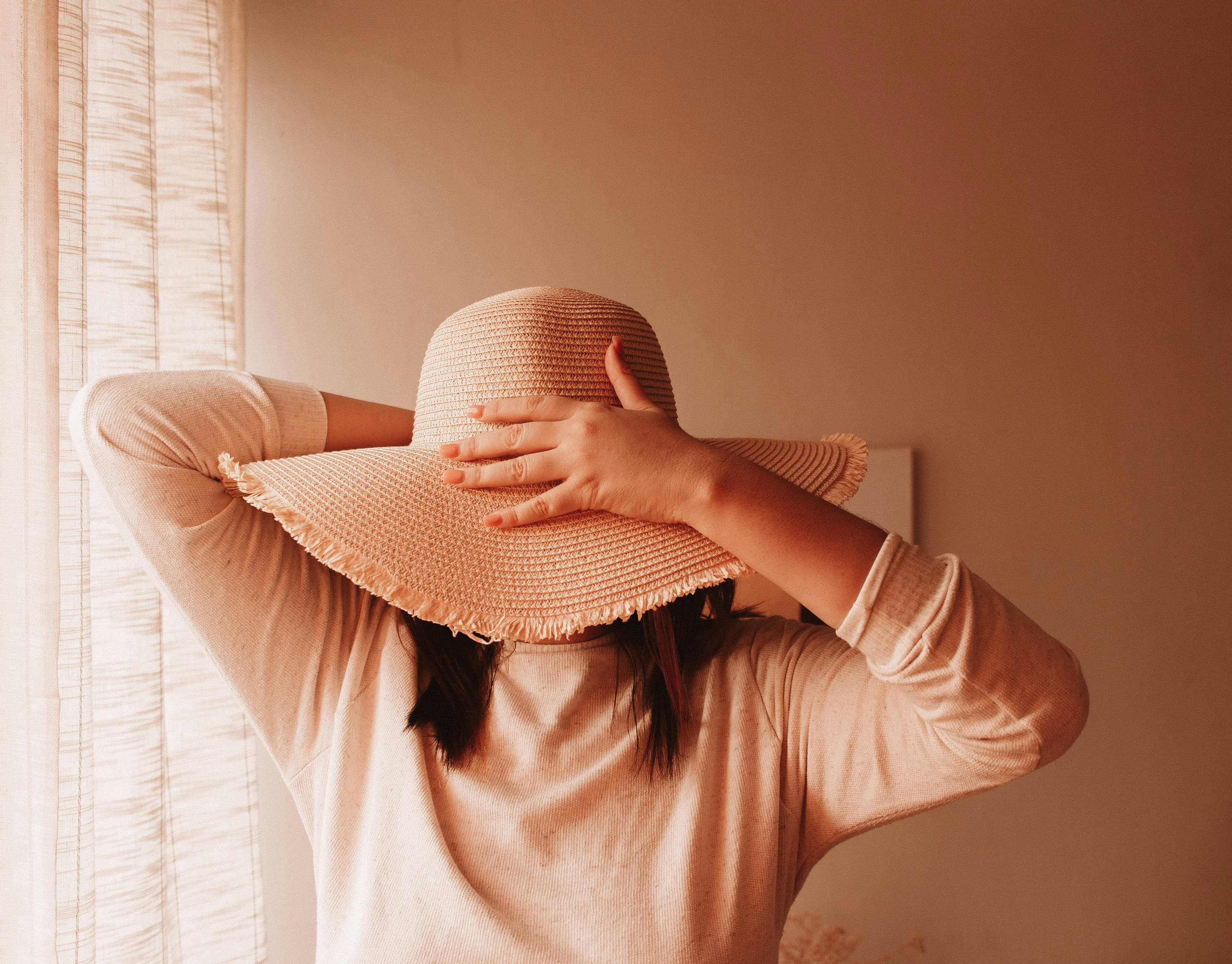
Pakistani summer is one of the hardest environments on the planet for skin. The UV index in Lahore and Karachi regularly hits 10–12 between April and August — what the World Health Organization classifies as "very high" to "extreme." For context, that's higher than most of Europe sees in a peak July afternoon, sustained for five months straight.
Add the humidity profile and you have a problem most international skincare brands aren't formulated for. Karachi sits in coastal humidity that climbs above 75% from June through September; Lahore swings between 30–80% depending on monsoon timing. Both produce a kind of sweat–sebum mix that the standard Western "rich moisturizer + heavy sunscreen" routine simply can't absorb without going greasy by 11am.
This guide is what we tell our friends to do — not what the international skincare press tells you to.
What actually changes about your skin in summer here
Three things, in roughly this order:
- Sebum production goes up. Heat triggers your sebaceous glands to overproduce. Pores look larger because they're working harder.
- Barrier function gets stressed. Sweat is mildly acidic and salt-rich; it sits on the skin, evaporates, and pulls moisture out with it. Skin paradoxically gets drier even as it feels oily — the classic "combination but worse" pattern most Pakistani adults recognize.
- Pigmentation accelerates. UV-A (the ageing wavelength) penetrates clouds, glass, and shade. Melanin-rich skin produces more pigment in response — that post-acne mark or melasma patch that took three months to form last winter can deepen in a week of summer exposure.
The four-step routine
If you do nothing else, do these four. In order, morning and evening.
1. Cleanse — but kindly
The cleanser most Pakistani adults grew up with is built around sodium lauryl sulfate (SLS). It strips. In humid summer that backfires: stripped skin overproduces oil within hours.
Switch to a pH-matched gentle cleanser — one with a built-in actives stack like salicylic acid (for the pores) and a ceramide for repair. Massage for thirty seconds, rinse with cool water (not hot — hot water re-stresses the barrier), pat dry. Twice a day.
2. Treat with PHA, not AHA
Glycolic acid (an AHA) is what the international skincare press tells you to use for exfoliation. In Pakistani summer it's a mistake. AHAs make skin photosensitive — they thin the stratum corneum (your skin's UV armour) right when you need it most.
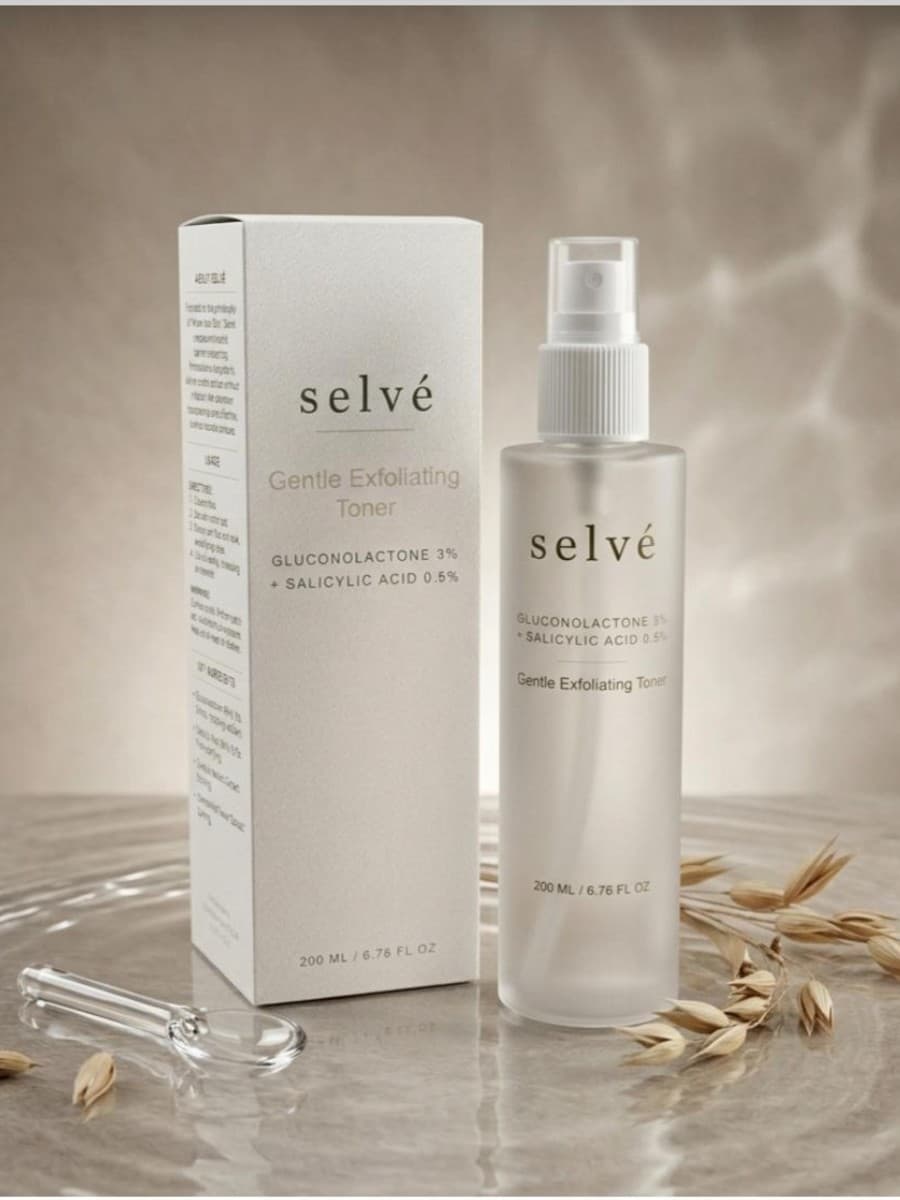
Polyhydroxy acid (PHA), specifically gluconolactone at 3%, gives you the same brightening + smoothing without the photosensitivity. It's the safer summer exfoliant for South Asian skin.
3. Moisturize, but lightly
Counterintuitive answer: yes, even oily skin needs moisturizer in summer. The reason is barrier — without surface lipids skin overproduces oil to compensate.
The right summer moisturizer is gel-based, not cream-based. Look for niacinamide at 2–5% (regulates sebum, gradually reduces hyperpigmentation), hyaluronic acid (humectant — pulls moisture from the air, useful in humidity), and panthenol (calming).
Niacinamide deserves a flag. Research from the British Journal of Dermatology (Hakozaki, 2002) showed it reduces melanosome transfer between cells by 35–68%. For melanin-rich skin that means visible reduction in dark spots over 8–12 weeks. It's the single most-validated active for South Asian skin tone concerns, and it doesn't make you photosensitive.
4. SPF 50, PA++++, every day
This is the one that changes everything. Pakistani and Indian dermatologists have converged in 2026 on the same protocol: SPF 50 with PA++++ rating, applied at 2 mg/cm² (the "two-finger rule" — two finger-lengths of product for face and neck). Anything less is theatre.
SPF 50 + PA++++ blocks 98% of UVB and provides maximum UVA protection. It's the highest-leverage skincare habit you can build — more impactful than any brightening serum, retinol, or laser treatment.
Reapply every two hours if you're outside. If you're indoors near a window, once is enough.
What to drop
- Fragranced face creams. Sweat + fragrance + sun = irritation cycle.
- Physical scrubs. Already exfoliated by sweat + UV; don't add more friction.
- Vitamin C in the morning if you're not also wearing SPF 50+. It can become pro-oxidant under intense UV.
- Hot water washing. Lukewarm or cool only.
What this routine costs
Roughly PKR 8,000–12,000 for the four products combined, lasting 3–5 months. That's PKR 1,500–3,000 per month — about half what equivalent imported brands cost. Most of the international labels that get recommended for Pakistani skin were formulated in temperate climates and don't actually work here.
The honest conclusion: the right routine for Pakistani summer is fewer products applied more correctly. Strip everything you don't need; nail the four that you do.